


Just Because We’re Gay Doesn’t Mean We’re the Same Way
September 1, 2026

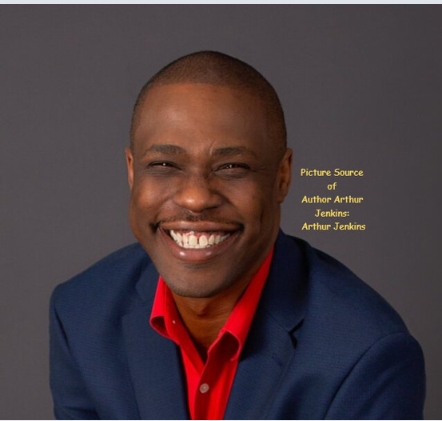
By Arthur L. Jenkins, author of The Prince of Brown: A Fictional Memoir
Philadelphia, PA - I never said racism was one-sided, just historically founded within the group that has maintained power for itself. Black LGBTQ organizing shows us that common experiences of sexual and gender marginalization did not dissolve racial inequity. Through ballroom houses and Black Pride organizations, Black LGBTQ people built institutions of their own, in part as a reaction to exclusion within predominantly White LGBTQ spaces.
In the late 1960s, Crystal LaBeija, a proud Black drag queen, along with Lottie LaBeija, helped establish what became the House of LaBeija in New York City, creating a space for Black and Brown members of the LGBTQ community. LaBeija was not responding to one organized Black LGBTQ movement, per se. Rather, this community emerged because spaces where Black drag queens, gender-nonconforming people, and other Black LGBTQ people could be seen and celebrated were limited. Many existing spaces had been created and controlled predominantly by White members of the community, often without the experiences of Black and Brown people in mind. Home | Royal House of LaBeija

LaBeija's story is inseparable from the racial discrimination Black performers encountered in the pageant world. After experiencing what she regarded as racially biased judging in predominantly White Drag competitions, she became associated with the creation of a community where Black and Brown performers could define beauty, talent, and belonging for themselves. Her experience reflected a larger pattern of racism and colorism that Black performers encountered in these spaces.
These events, and others like them, became keystones of Black LGBTQ community-building, particularly during the era of Black liberation, civil rights, and gay liberation. Racism does not stop because people share a sexual orientation or subculture. In some circumstances, those intersections can make racial divisions even more visible. What happens when members of a marginalized group gain access to certain privileges but remain reluctant to share institutional and cultural power with others within that same group? One would hope that shared oppression would automatically create solidarity, but history tells us that it does not.
One could say that this represented an important shift toward greater self-determination within urban Black LGBTQ communities.
In late-1970s Philadelphia, the late Tyrone Smith, whom I knew in my youth and who was a cofounder of Unity, Inc., a Black gay organization, hosted gatherings around Penn Relays weekend that provided Black LGBTQ people with places to socialize and celebrate their identities. That tradition contributed to a larger culture of Black LGBTQ gathering in Philadelphia that would eventually find expression in Philadelphia Black Gay Pride. Although gay-rights demonstrations and Pride-related events had already emerged in the city, Black LGBTQ Philadelphians did not always experience those spaces as equally welcoming or representative. LGBTQ+ Organizations in Philadelphia to Support
During the 1970s and 1980s,
there was also a larger systemic issue. Cities throughout the Northeast began adopting fair-practices codes or ordinances barring discrimination based on sexual orientation. These legal advances benefited Black LGBTQ people as part of the broader LGBTQ community, even though many of the organizations leading these campaigns were predominantly White. Political progress, however, did not automatically eliminate racial tensions within the community.
Predominantly White LGBTQ establishments—including bars, clubs, community groups, and organizations—could themselves reproduce racial exclusion. In some cases, these spaces were, and some remain, racially divided. Black individuals entering predominantly White LGBTQ spaces could encounter scrutiny, ostracism, or simply the feeling that their experiences were not understood. https://www.echonewstv.com/post/arthur-l-jenkins-explores-identity-survival-and-self-discovery-in-the-prince-of-brown-a-fictiona
I remember going to a predominantly White youth group and feeling left out. Their issues did not always feel like my issues. I perceived a divide between the concerns emphasized by many White participants and those raised by several Black participants. While some White youth focused on visibility and public acceptance, some of the Black youth I knew were deeply concerned about rejection or abuse by their families or communities for being gay. Both sets of concerns were legitimate, but they were not necessarily experienced in the same way.

This difference contributed to another important development during the 1980s and 1990s: the creation and expansion of Black LGBTQ organizations specifically designed to support Black LGBTQ communities. Some predominantly White organizations resisted this kind of separate organizing, arguing that gay issues were universal and that the community should remain united. But calls for unity can become a form of color-blindness when they fail to acknowledge that members of the same LGBTQ community can experience race, class, gender, family, and sexuality very differently.
Creating Black LGBTQ organizations was therefore not necessarily a rejection of LGBTQ unity. It was also a response to needs that existing institutions had failed to address adequately. When demands for unity require minority communities to minimize their distinct experiences, inclusion can become assimilation rather than genuine equality. Bio of Arthur L. Jenkins, Blog Host - Black Gay Writers and Readers
Predominantly White LGBTQ institutions have not been immune to racial slurs, stereotypes, exclusion, or discriminatory behavior. Community-specific slang and personal knowledge can make racial attacks particularly cutting because the people involved may understand one another's vulnerabilities intimately. Such attacks remind us that belonging to one marginalized group does not prevent someone from harboring prejudices against another.

In 2026, multiculturalism, diversity, and inclusion remain subjects of discussion among many organizations and agencies in major cities as the country's cultural landscape continues to change. Having conversations about inclusion, however, is different from practicing it. Physical inclusion—who enters a space—and social inclusion—who feels respected, represented, heard, and empowered within that space—are not necessarily the same thing.
Race has been one of America's painful realities for hundreds of years. We should not assume that racism somehow disappears within the Queer community simply because that community has also experienced historical oppression. Racism between gay people is real, just as racism can exist among members of any other community.
My hope is that as generations progress, race relations within the Queer community will progress with them. I hope there can be respectful crossover among our issues and greater acceptance across racial lines. That responsibility also includes examining attitudes within Black LGBTQ communities toward our White counterparts. Racism is not one-sided. At the same time, acknowledging prejudice in multiple directions should not prevent us from examining the historical structures that have determined who possessed greater institutional and social power.
There is a saying: “All Black folk ain’t kinfolk.”
I would extend it:
“Just because we’re gay doesn’t mean we’re in the same way.”


References:
1. Watts et al. (2026) — Intragroup Marginalization & Racial Hierarchies in Black LGBTQ Spaces
This peer‑reviewed study examines how racism, colorism, classism, and gender‑performance policing operate inside Black LGBTQ communities themselves — reinforcing the article’s point that shared sexuality does not erase racialized power dynamics.
APA Citation: Watts, K. J., Thrasher, S. S., Campbell, N., Conner, L. R., Glover, J. K., Otachi, J. K., & Griffin, D. (2026). “Oh, You’ve Come to Visit the Yard?”: Phenotypic capital, intragroup marginalization, and the gated sanctuary in Black LGBTQ+ communities. Behavioral Sciences, 16(2), 292. https://doi.org/10.3390/bs16020292
Relevance:
Shows how racialized exclusion persists even within marginalized groups, echoing your discussion of White LGBTQ spaces marginalizing Black LGBTQ people.
Documents how skin tone, class, and gender norms create internal gatekeeping — similar to the dynamics Crystal LaBeija resisted.
2. Ultra Omni (2022) — Crystal LaBeija & the Origins of Ballroom as Racial Resistance
This article centers Crystal LaBeija’s foundational role in creating Black‑centered ballroom culture, directly supporting your historical section.
APA Citation: Ultra Omni, V. (2022). Crystal LaBeija, femme queens, and the future of Black trans studies. Trans Studies Quarterly, 10(1), 16–23. https://doi.org/10.1215/23289252-10273140
Relevance:
Confirms Crystal LaBeija’s role in forming the House of LaBeija as a response to racism in White drag pageants.
Frames ballroom as a Black trans and queer archive of resistance, aligning with your argument that Black LGBTQ institutions emerged from exclusion.
3. Higgins (2025) — BlaQueer Resistance & Ballroom as Transformative Education
This article analyzes ballroom houses and Black LGBTQ organizing as liberatory, community‑building responses to racial inequity.
APA Citation: Higgins, F. (2025). Categories are made to be broken: Uncovering strategies and pedagogies of BlaQueer resistance. International Journal of Human Rights Education, 9(1). https://repository.usfca.edu/ijhre/vol9/iss1/4
Relevance:
Shows how Black LGBTQ communities build alternative institutions when mainstream LGBTQ spaces fail them.
Connects ballroom culture to human‑rights education and resistance, reinforcing your point that Black LGBTQ organizing is not separatism but self‑determination.


Comments