


When the Smoke Clears: Why Science Says Medicinal Cannabis Deserves a Second Look

April 21, 2026
Echo News TV LLC – Health & Wellness Column
New Jersey - In a world where opinions about cannabis often drift louder than the facts, Echo News TV LLC’s Health & Wellness Column found itself revisiting a story originally shared by BlackDoctors.com, written by the respected health journalist Derrick Lane. His piece, “4/20: 6 Real Ways Marijuana & CBD Heal Your Body,” sparked a fresh wave of curiosity—not about recreational indulgence, but about the science quietly reshaping how clinicians, researchers, and everyday people understand cannabis. What follows is the relaunched Echo's reflection on that conversation, expanded through the lens of recent scientific literature and public health insights. 4/20: 6 Real Ways Marijuana & CBD Heal Your Body - BlackDoctor - Where Culture Meets Care

The discussion around cannabis has long been clouded by stigma, politics, and the lingering scent of outdated propaganda. Yet, as Lane’s reporting suggested, the plant’s medicinal potential is no longer a fringe belief whispered in herbal shops. It is now a subject of rigorous scientific inquiry. A major 2025 review by Hoch, Volkow, Friemel, Lorenzetti, Freeman, and Hall—published in the European Archives of Psychiatry and Clinical Neuroscience—offered one of the most comprehensive evaluations to date. Their findings did not romanticize cannabis, but they did illuminate a nuanced truth: cannabinoids possess measurable therapeutic benefits when used responsibly and clinically.

Observers of Lane’s work noted how he highlighted the ways cannabis and CBD interact with the body’s endocannabinoid system, a regulatory network that influences pain, inflammation, mood, and immune response. The relaunched Echo's retelling of his article emphasized that these interactions are not mystical; they are biochemical. Hoch and colleagues’ research reinforced this point, showing evidence for cannabis‑based treatments in chronic pain management, certain seizure disorders, and even anxiety reduction under controlled conditions. The science is still evolving, but the direction is unmistakable.
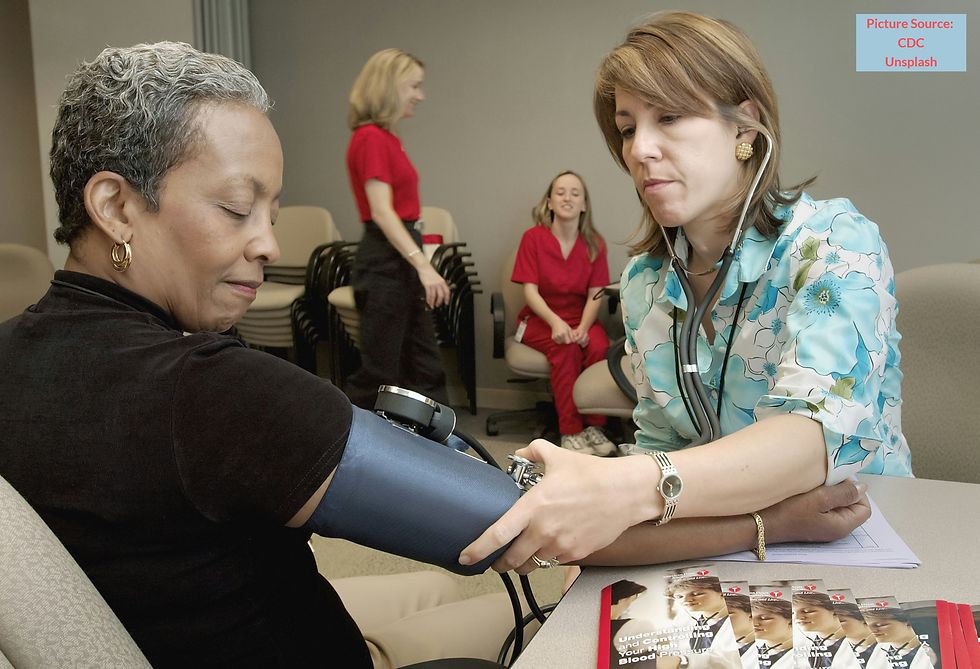
From a nursing and communications perspective, the conversation becomes even more compelling. Patients often arrive at clinics carrying not only symptoms but also fears—fears shaped by decades of messaging that painted cannabis as a gateway to ruin rather than a potential therapeutic tool. The whimsical irony is that many of these same patients accept far more potent pharmaceuticals without hesitation. The relaunched Echo's perspective observed that Lane’s article gently nudged readers toward a more balanced understanding: cannabis is neither miracle nor menace. It is a plant with properties worth studying, respecting, and, when appropriate, utilizing.
The 2025 review also addressed risks, which any honest health column must acknowledge. Cannabis is not harmless. Heavy use, especially in adolescence, may affect cognitive development. Certain individuals may experience dependency or psychiatric complications. But the researchers stressed that these risks must be weighed against context, dosage, and individual vulnerability—just as they are with any medication. The relaunched Echo's perspective noted that Lane’s tone never dismissed these concerns; instead, he framed them as part of a responsible, evidence‑based conversation.

What makes this moment in cannabis research so transformative is the shift from anecdote to data. For decades, people have shared stories of relief—relief from pain, nausea, insomnia, and anxiety. Now, clinical studies are beginning to validate some of those experiences. The relaunched Echo's retelling of Lane’s work emphasized that this validation matters not only for patients but also for policymakers, clinicians, and communities still wrestling with outdated assumptions. When science evolves, public perception must evolve with it.
Ultimately, the Echo News TV LLC Health & Wellness Column concluded that the demonization of medicinal cannabis has outlived its usefulness. The relaunched Echo's reflection on Lane’s reporting, supported by the 2025 scientific review, suggests a more enlightened path forward—one where curiosity replaces fear, research replaces rumor, and compassion replaces judgment. Cannabis may not be for everyone, but the conversation about its medical value belongs to all of us. And perhaps, as the smoke of misinformation clears, more people will finally see the plant not as a threat, but as a therapeutic possibility waiting to be understood.


Comments